
LabNoxis GLP-1
from €210.00
Peptide
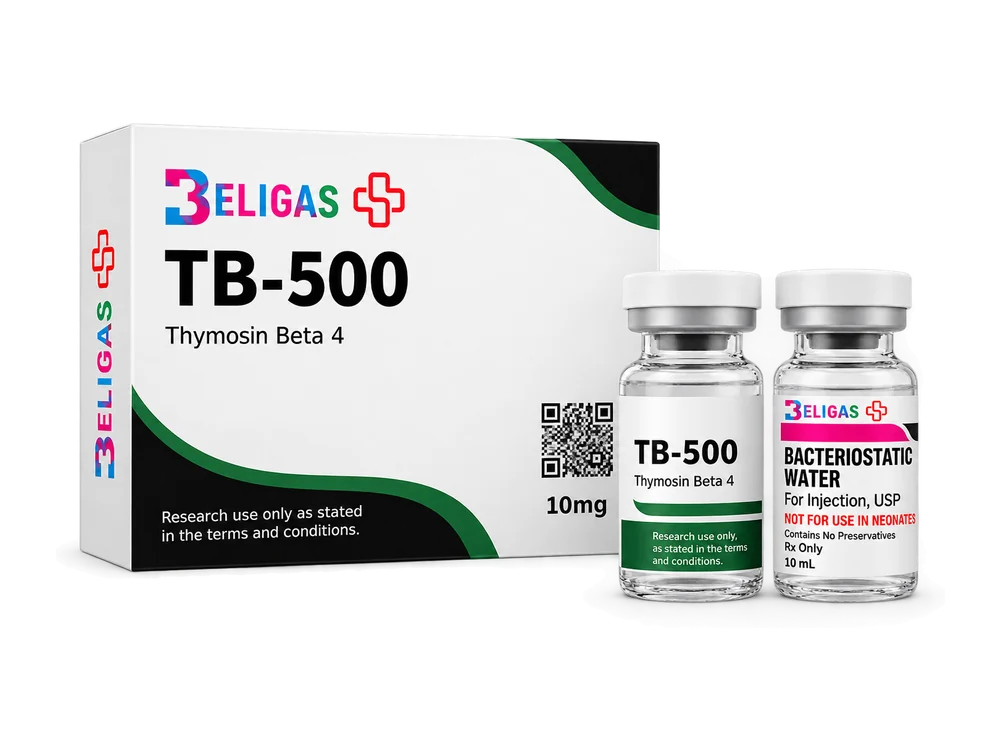
Thymosin beta-4 fragment
from €39.00
In stock Ships within 24h on working days
| Classification | Synthetic peptide |
|---|---|
| Presentation | Lyophilised powder |
| Reported protocol | 2 to 10 mg per week, tapering to 2 to 4 mg |
| Administration | Subcutaneous, in the cited literature |
| Storage | Store at −20 °C, protect from moisture |
| SKU | LN-TB500 |
All products are supplied for research, analytical and educational purposes only. They are not intended for human consumption, medical use, diagnosis, treatment or prevention of any condition. By ordering you confirm you are of legal age and that the purchase, possession and use of these products comply with the regulations that apply where you are.
TB-500 is a synthetic peptide that mimics thymosin beta-4, a naturally occurring protein. It is studied primarily for tissue repair and inflammatory signalling, which is why it appears frequently in recovery, muscle sprain and strain literature. It is reported to promote repair of damaged tissue and to enhance cellular migration.
TB-500 binds actin, a protein central to cell structure and repair. This increases actin polymerisation, which supports the formation of new blood vessels and enhances tissue repair.
Beyond speeding recovery from injury, this activity is studied for its effect on muscle and connective tissue health. TB-500 has also been shown to reduce inflammation, which is relevant to pain management and to the healing rate of soft-tissue injuries.
Administered subcutaneously in the cited literature. Reported loading is 2 to 10 mg per week for an initial 4 to 6 week phase, after which protocols reduce to a maintenance range of 2 to 4 mg per week. Injection spacing varies with the severity of the injury and the recovery rate sought.
The primary interest in TB-500 is its reported ability to accelerate healing, reduce inflammation and support muscle recovery. Faster tissue repair makes it a common subject in soft-tissue injury research.
Its anti-inflammatory activity extends the research interest to chronic conditions such as arthritis, where pain, swelling and joint mobility are the measured outcomes.
Mild injection-site reactions are the most commonly reported: redness, itching and swelling. Flu-like symptoms and temporary dizziness appear less often. These are typically mild and short-lived.
Long-term use should be monitored for resistance or excessive tissue repair.
For research, analytical and educational use only. Not for human consumption.
Lyophilised in a sealed vial, packed discreetly with the batch documentation for that lot.
Sealed at −20 °C, protected from moisture. Allow the vial to reach room temperature before opening so condensation does not form on the cake.
from €210.00
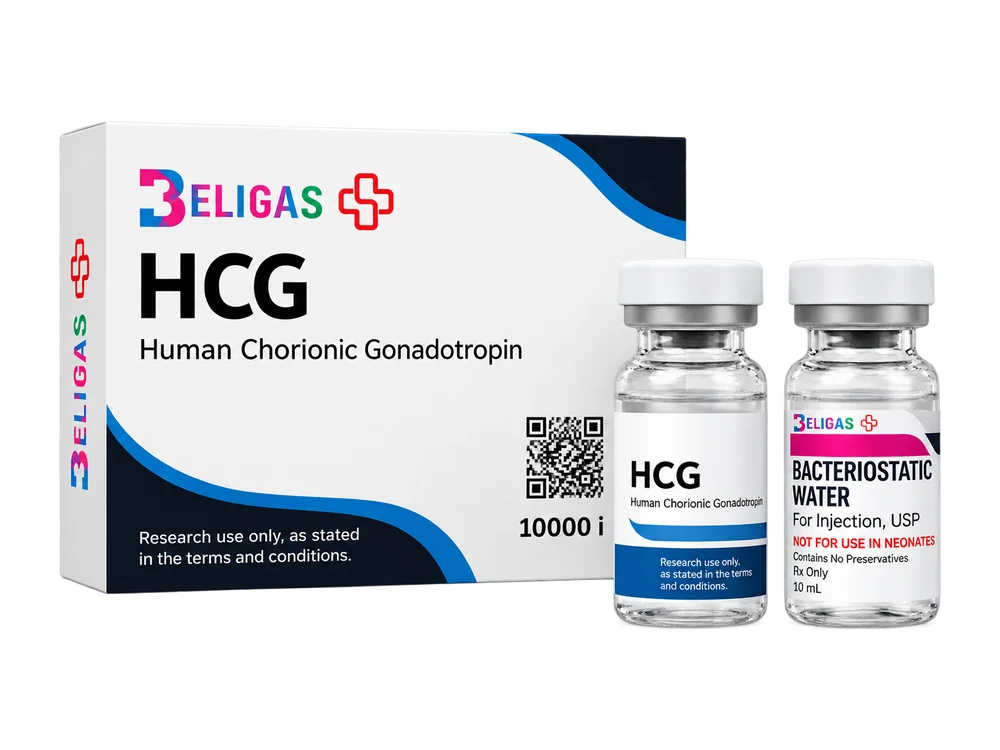
€70.00